Hidden Cameras, Secret Recordings, and Invasion of Privacy Claims in Oklahoma City
Hidden cameras and secret recordings in Oklahoma City can be both a crime and a civil invasion of privacy claim. Here is how intrusion upon seclusion works, what changed in 2026, and what to save in the first 48 hours.
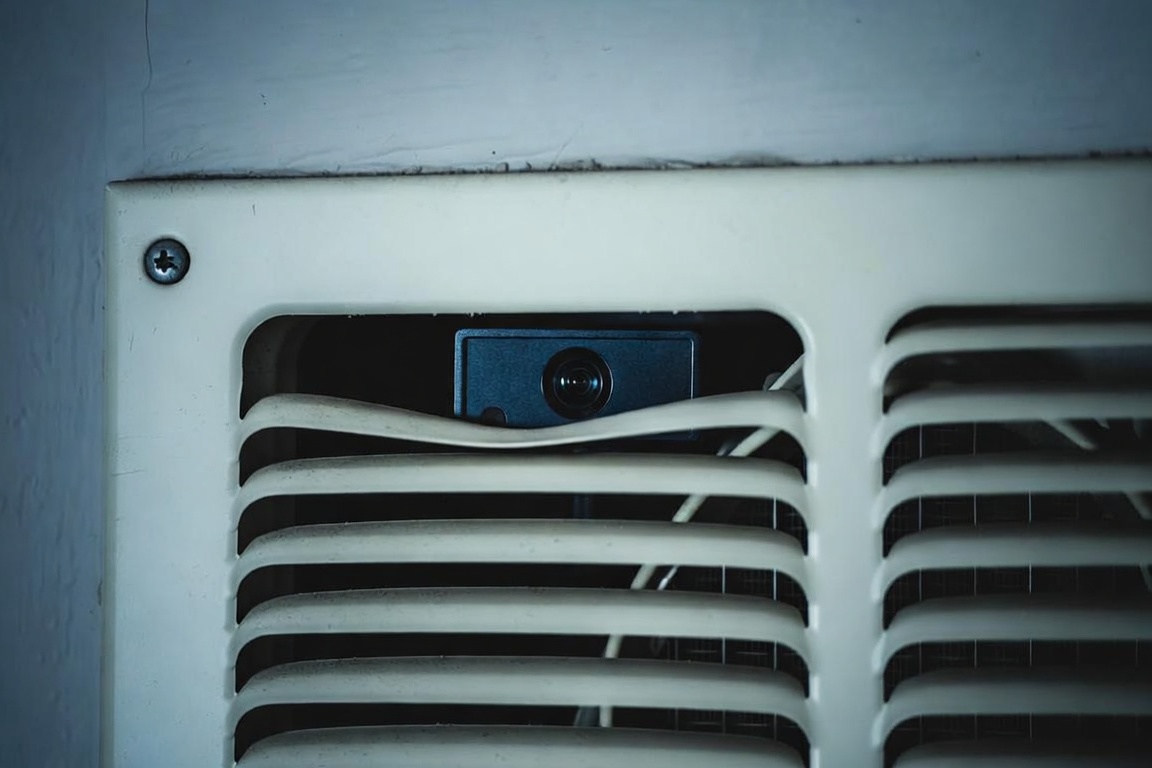
If someone hid a camera in a dressing room, a bathroom, a bedroom vent, or an Edmond office interview space, Oklahoma law treats that as more than a bad surprise. It can be a crime and a civil invasion of privacy claim at the same time. Oklahoma City residents keep running into the same fact pattern: a device nobody consented to, in a place where a reasonable person expects to be left alone.
Oklahoma recognizes four common-law privacy torts. The one that fits a hidden camera or a secret listen-in is intrusion upon seclusion. Under the Oklahoma Uniform Jury Instructions, a plaintiff must prove the other person intentionally intruded on private affairs without consent, and that the intrusion would be highly offensive to a reasonable person. The Oklahoma Supreme Court said the same thing in Gilmore v. Enogex. False light, public disclosure of private facts, and appropriation of name or likeness are separate claims. They matter when images get posted, not only when they get taken.
Criminal law is catching up to the devices. Title 21, Section 1171 already covers clandestine watching and photographing in homes, apartments, locker rooms, dressing rooms, and restrooms. Lawmakers tightened the rules again in 2026. Certain repeat peeping and secret-recording cases can move from a misdemeanor to a felony beginning November 1, 2026, with prison time, fines, and, in some cases, sex-offender registration. Separately, 21 O.S. § 1040.13b makes it a crime to share private sexual images without effective consent, including some AI-generated depictions after the 2025 amendments. Those criminal cases do not replace a civil lawsuit. They often run beside one.
Audio is a different trap. Oklahoma is a one-party consent state for conversations. McAfee & Taft attorney Michael F. Smith put it this way: “In Oklahoma, absent limited exceptions, secretly recording a conversation is legal if one person consents to the conversation.” That rule does not give anyone a free pass to plant a camera in a bathroom, disable the audio on a nanny cam and still film someone undressing, or bug an employee conversation the employer is not part of. Video in a private space, and audio of a talk you are not in, can still support an intrusion claim and a federal wiretap count.
What to do in the first 48 hours matters more than most people think. Do not confront the suspected installer alone if you can avoid it. Photograph the device where it sits, note the date and room, and call the police if the location is a bathroom, bedroom, or locker room. Preserve phones, cloud backups, doorbell footage, and access logs. Do not factory-reset the camera. Oklahoma juries can award money for financial loss, the harm to privacy itself, personal humiliation, and mental anguish. Firms on the Best Oklahoma City Invasion of Privacy Attorneys list, including Cain Law Office, Zeaman Law, Carr & Carr Attorneys, and larger shops such as Crowe & Dunlevy and Hall Estill, handle these files from both the plaintiff and defense side.
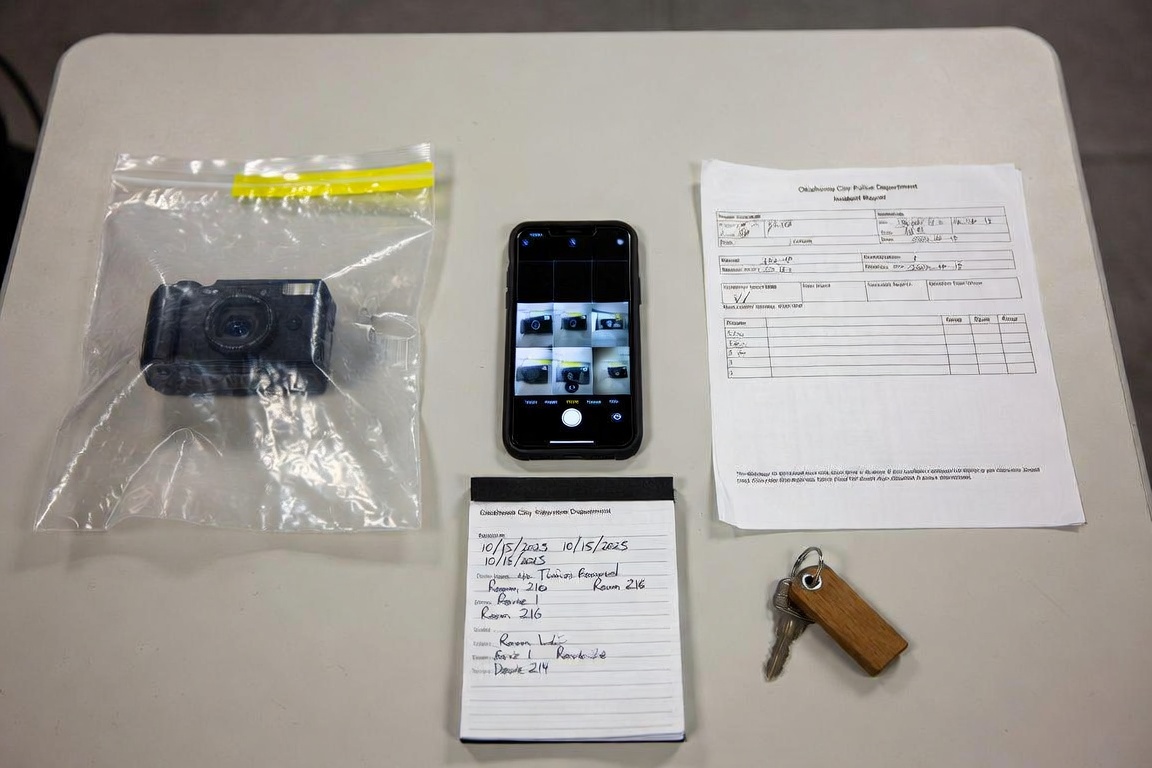
Preserve the device where you found it. Photograph it, note the room and date, and keep phones, keys, and the police report. Do not factory-reset the camera.
If you are ready to talk with counsel, start with the curated Best Oklahoma City Invasion of Privacy Attorneys list at best-oklahoma-city-invasion-of-privacy-attorney.com. That page is built for this exact search: local firms already screened for invasion-of-privacy work in Oklahoma City, not a national directory that lists everyone. Compare the profiles, then call the office that matches your facts, whether that is a hidden-camera case, a leaked image, or a workplace recording.
A useful consult is specific. Bring the device or photos of it, the police report number if you have one, a timeline of who had keys or Wi-Fi access, and every place the footage may have been sent. Ask whether the facts support intrusion, a Section 1171 charge, a nonconsensual-image claim, or a workplace claim against an employer who allowed cameras in a private area. In Oklahoma City, the best first question is not “Can I sue?” It is “Where was the camera, who put it there, and what did it capture?” The answer to those three points usually decides the case.
Sources
Oklahoma Uniform Jury Instruction 28.12, Invasion of Privacy – Intrusion Upon Seclusion
Oklahoma Uniform Jury Instruction 28.15, Invasion of Privacy – False Light
Oklahoma Uniform Jury Instruction 28.16, Invasion of Privacy – Measure of Damages
Oklahoma Tightens Penalties For Peeping Toms And Secret Recording
21 O.S. § 1040.13b, Nonconsensual dissemination of private sexual images